What the Penny Sales Tax Would Fund for Greenbelts, Land and Water
Protecting land and water quality, and creating parks and trails
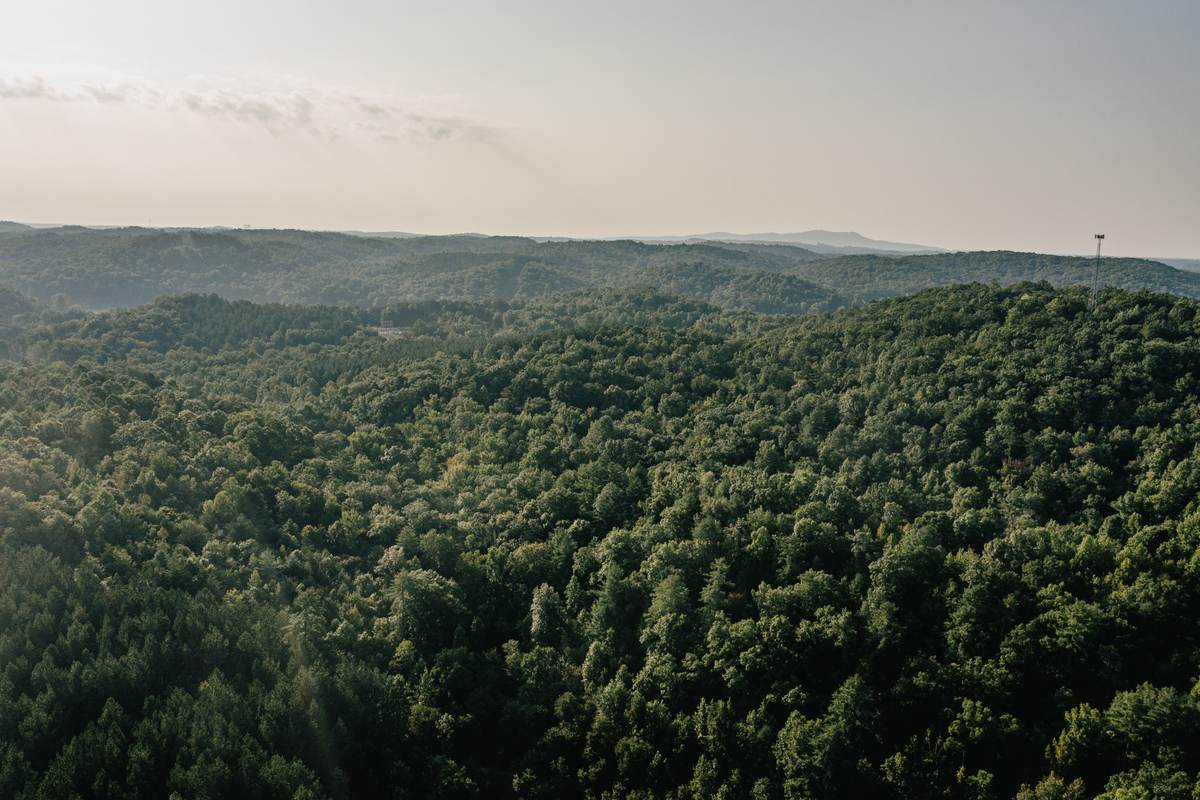
STATUS OF PROTECTED LANDS IN GREENVILLE COUNTY
The Trust estimates that less than 15% of Greenville County is protected green space of some type – county, city, or state parks; farms or forests protected by perpetual conservation easements; and the largest single share of that area is Greenville Water’s protected North Saluda Watershed.
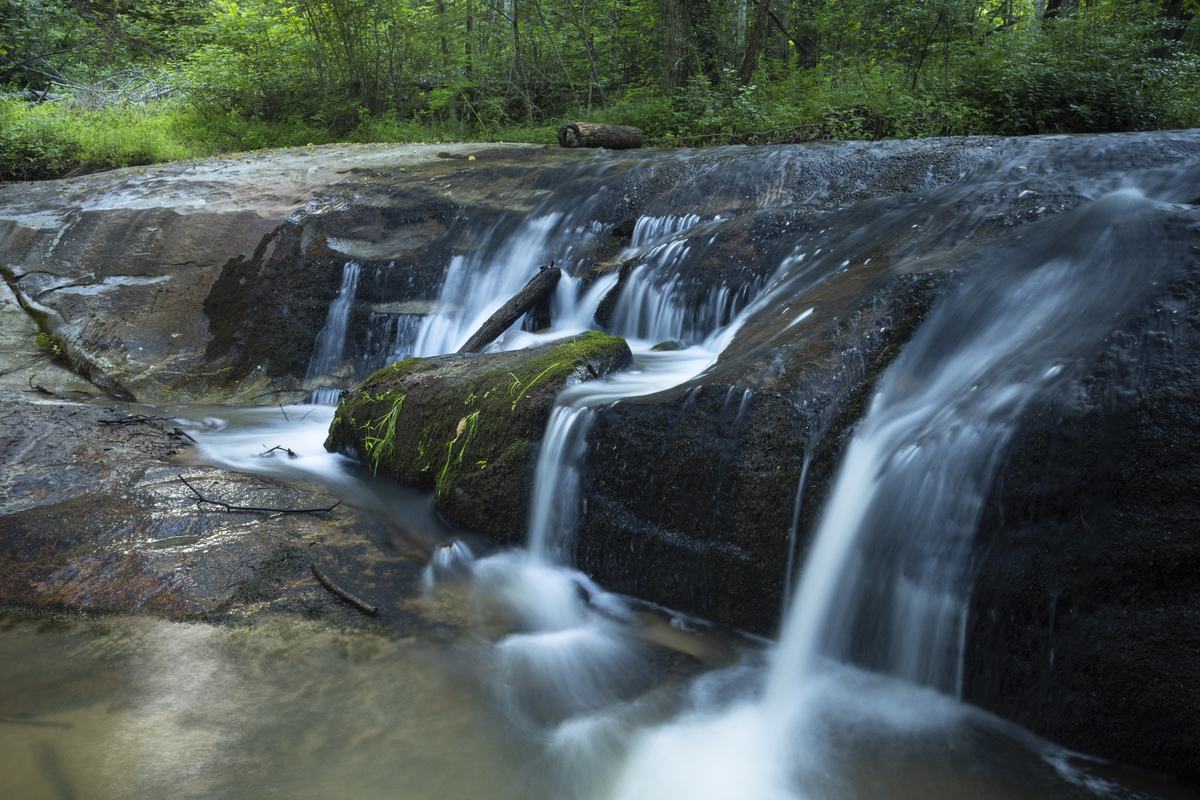
WHAT PROJECT (3) WOULD FUND
The ballot sets aside up to $77 million for greenbelts. The ordinance states that figure as a ceiling: no more than 7% of the tax collected, with a maximum of $77 million. Question 1 lists what the money may buy: land and conservation easements for expanding public parks and green spaces; land for active sports fields; water-access points; trails and greenways; lands critical to wildlife, floodwater management, working farms and forests, natural-resource management and historic preservation; and protection of drinking-water sources and water quality in rivers, lakes and wetlands.
Greenville County already has a program doing this work. In its first five years the Trust reports 3,007 acres protected across 34 projects. The Trust's five-year summary reports $43.35 million in protected land value against $7 million of county funds invested, about $6 for every $1. That figure counts land value donated by owners as well as outside cash, so it measures what was protected, not what was raised.
The Trust works through voluntary transactions only: outright purchases from willing sellers, or conservation easements, in which the owner keeps the land and gives up the right to develop it. Applications are ranked against published criteria, and grant funds are released at a real-estate closing.
For scale, the county appropriated $1 million a year to the Trust for its first two years, raised it to $2 million a year, and returned to $1 million for 2026 and 2027. If the full $77 million were appropriated evenly across eight years it would be roughly $9.6 million a year. That amount is a maximum.
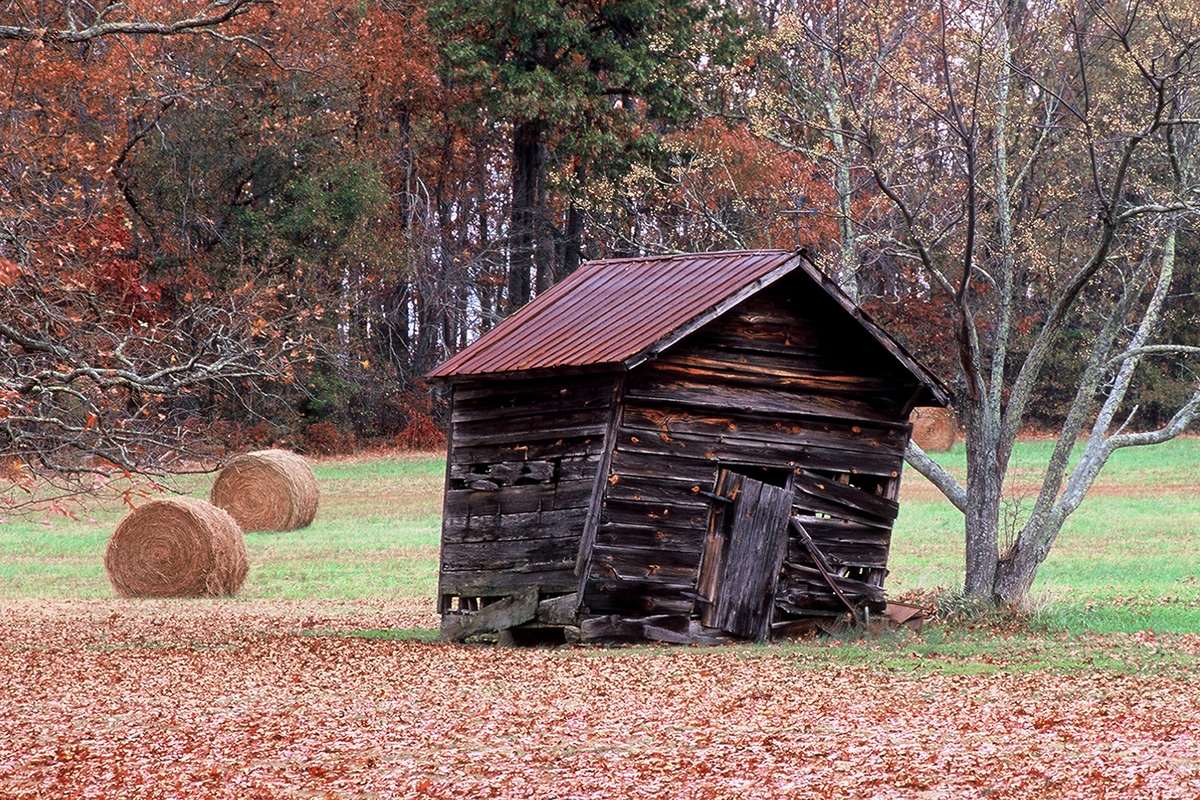
The county's 2020 Comprehensive Plan models a “continue trends” scenario through 2040 in which development “consumes valuable agriculturally-productive farmland and drastically shrinks the rural footprint of the county in exchange for suburban expansion.” The plan names critical open space, scenic byways and important rural vistas as protection priorities.